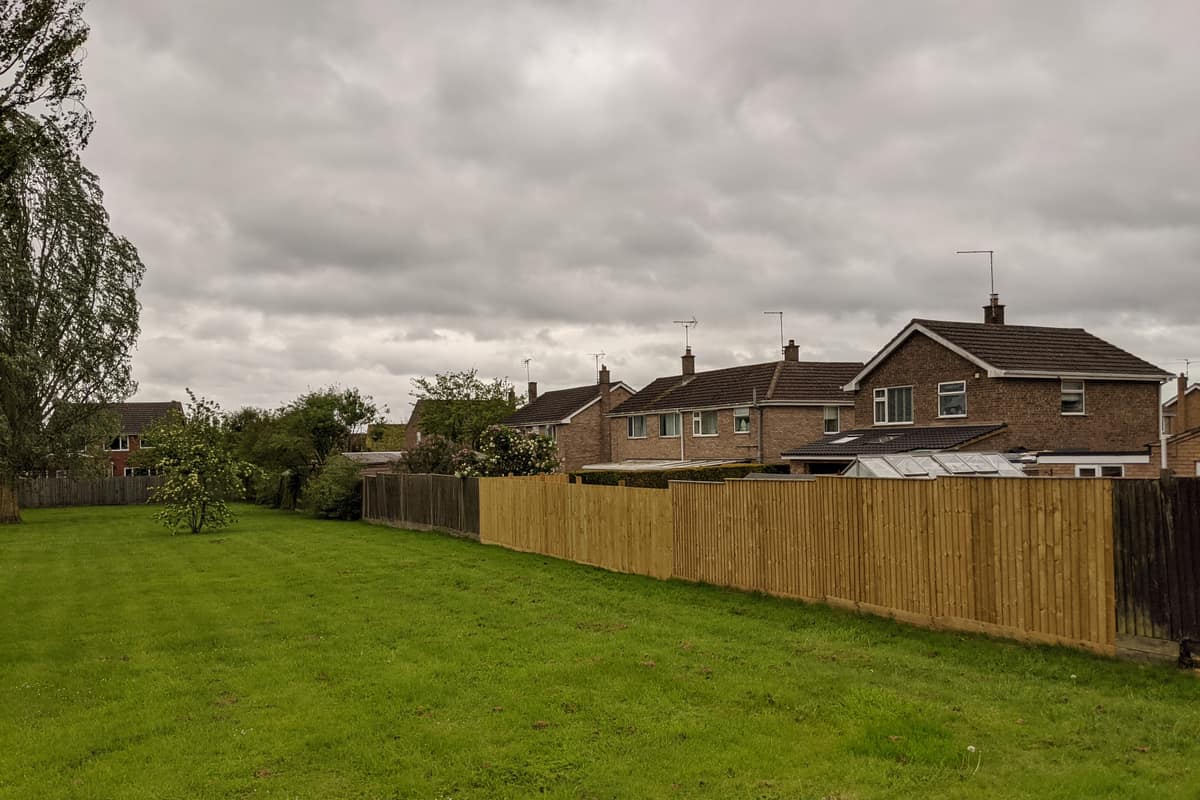
A fence is one of those projects that seems simple until you start planning it. The right fence for your home depends on why you want it: to give you privacy on the back patio, to keep a dog or small children safely in the yard, to make the front of the house look finished, or simply to mark where your property ends. Starting with that question makes every other decision easier.
For privacy, a solid wood fence around six feet tall is the most common choice. Boards are set tight together, or overlapped in a board-on-board style so there are no gaps even as the wood shrinks. For a front yard, a shorter picket fence keeps the house looking open and welcoming while still defining the space. For pets, think about height, about whether your dog digs, and about gates that close and latch on their own.
In South Carolina's heat and humidity, materials matter. Pressure-treated pine is the most common fence wood here because it resists rot and insects and is affordable. Even so, the wood will move as it dries and weathers, so expect some boards to shrink or twist a little during the first year. Sealing or staining the fence once it has dried out helps it last longer and keeps its color. Whatever the material, the posts are the most important part — they carry the whole fence, and they are the part sitting in damp soil.
Posts should be set deep enough to resist wind and leaning, and set plumb so the fence stays straight. Corner and gate posts take the most stress and deserve extra attention. Good drainage around the posts, so water does not sit against the wood, also makes a real difference in how long they last.
Gates are where most fence complaints start. A gate that sags, drags on the ground or will not latch is frustrating every day. A well-built gate has a sturdy frame, strong hinges, a solid post on each side and enough clearance to swing freely. Think about where you need gates — for the lawn mower, for trash cans, for a trailer or boat — and how wide they need to be before the fence goes up.
Before any digging, make sure you know where your property line is. If you are not certain, your plat or a survey will show it, and talking with your neighbor before you build can prevent a lot of trouble later. Check whether your HOA, if you have one, has rules about fence height, style or color, and whether your town or county requires a permit. And always call South Carolina 811 a few days before digging so underground utility lines can be marked — it is free and it is the law.
Fences take some upkeep too. Walk the line once or twice a year and look for loose boards, leaning posts and gates that have started to sag. Keep vines and brush from growing into the fence, and keep sprinklers from soaking the same boards every day. Small repairs made early keep a fence standing straight for many years.
Ready to plan a new fence or fix the one you have? Call (803) 420-8343. Every estimate is free, and you get 5% off when you sign a contract with us.